Установка очистки и рециркуляции воды для камнеобработки

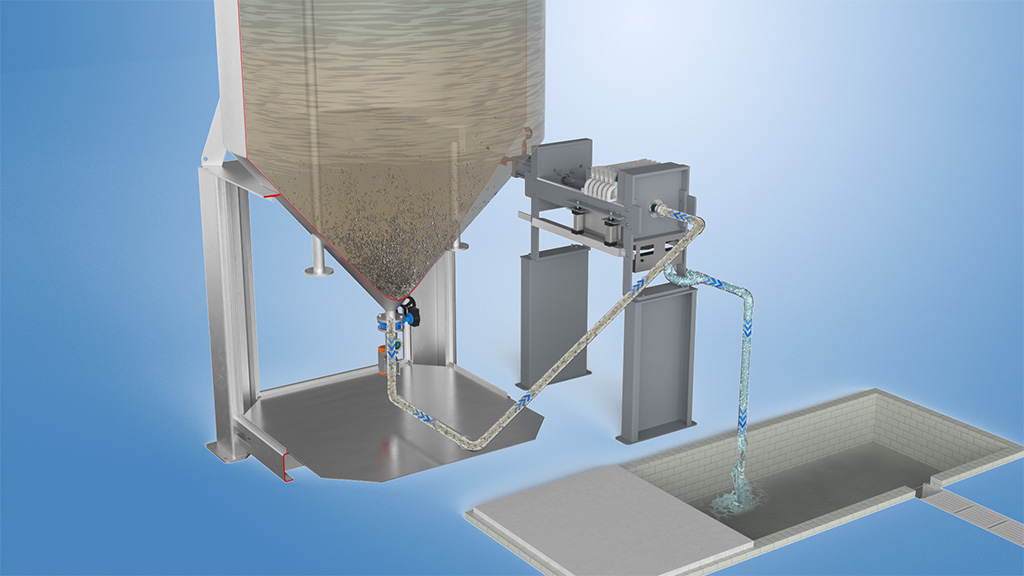
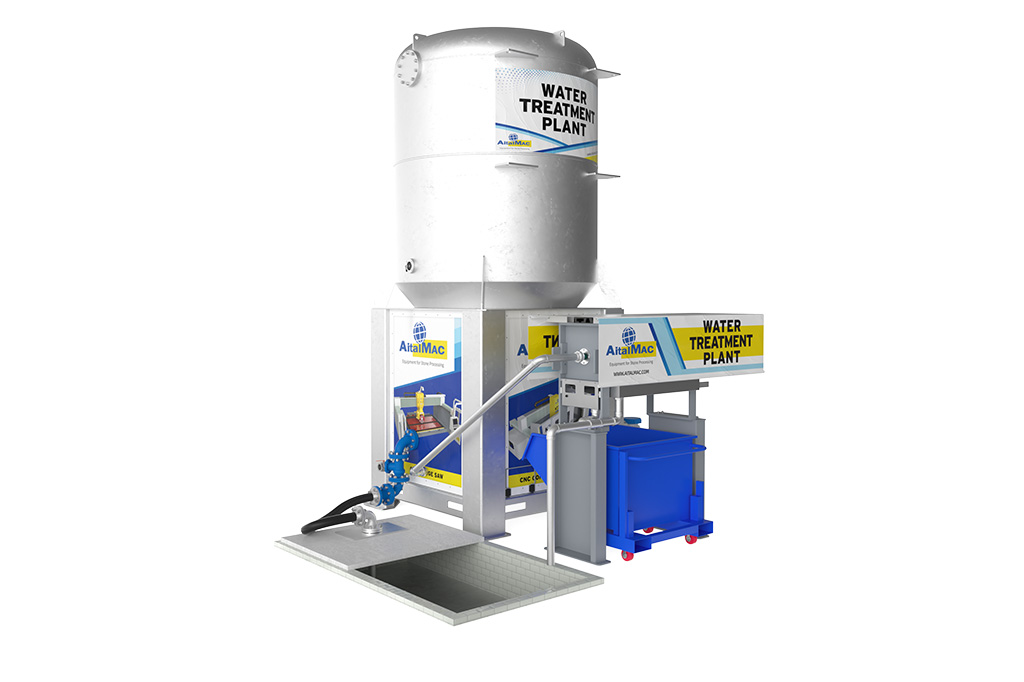
Water treatment plant: бак из нержавеющей стали, рама, синий лоток и трубопровод с клапанами

Установка очистки и рециркуляции воды для камнеобработки

Система рециркуляции воды для мастерских по обработке камня и стекла
Установка занимает всего 2x2 метра и способна осветлять более 300 литров в минуту (100 галлонов в минуту) шлама.
Эта установка очистки воды оснащена интеллектуальным управляющим блоком, который контролирует все её функции.
Вся система создаёт давление исключительно за счёт насоса всасывания сточных вод, управляемого частотным преобразователем и динамически контролируемого для поддержания постоянного давления по всей системе.
Флокулянт дозируется динамически в зависимости от объёма используемой воды.
Система проста в установке и обслуживании
Эксплуатационные расходы этой установки осветления воды низки благодаря динамическому контролю давления и дозированию флокулянта.
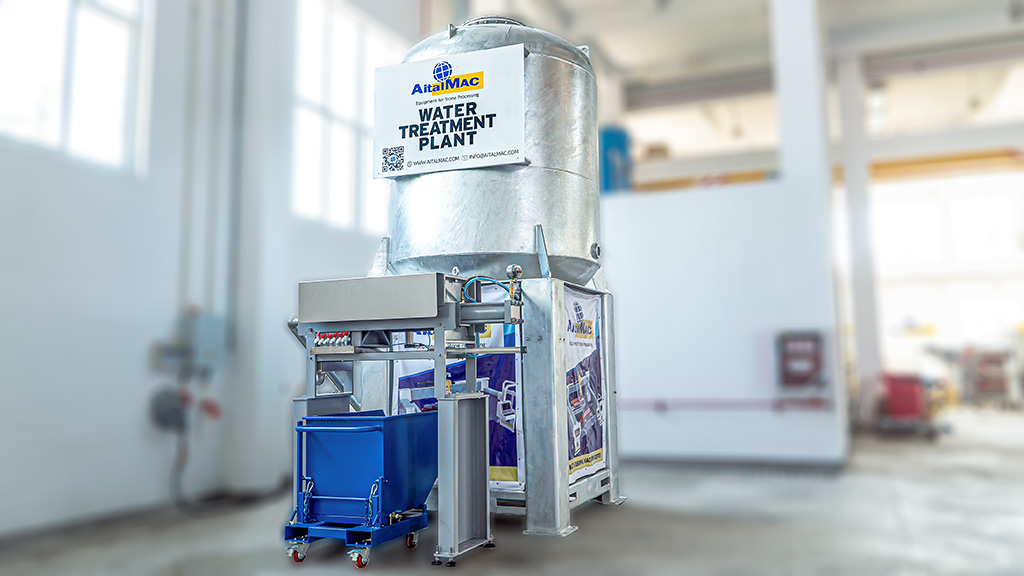
Water treatment plant на заводе: бак из стали, щит управления, клапаны и тележка с лотком

Установка очистки и рециркуляции воды
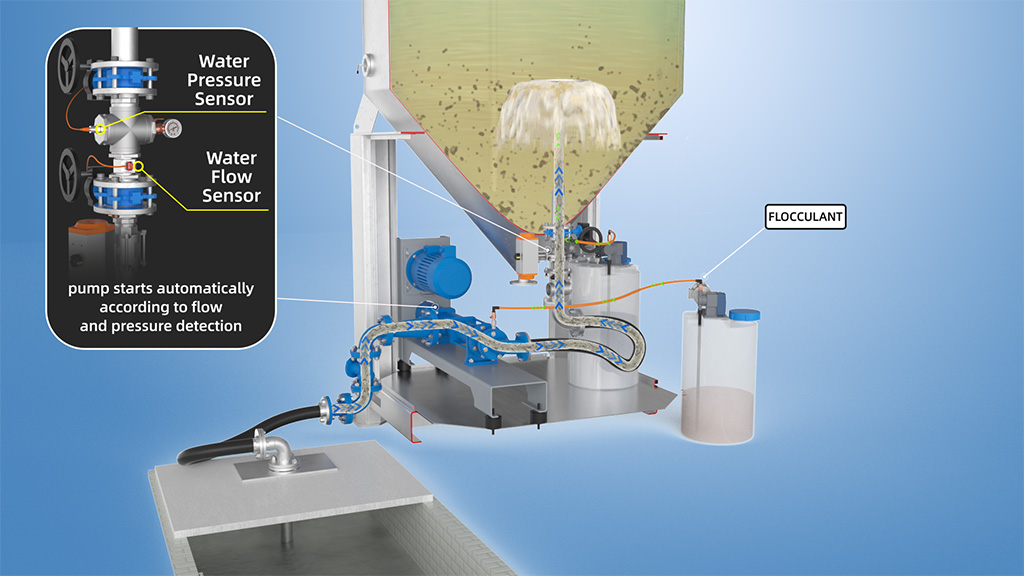
Water treatment plant: датчики потока и давления, насос и бак с флокулянтом

Флокулянт дозируется динамически в зависимости от объёма используемой воды.
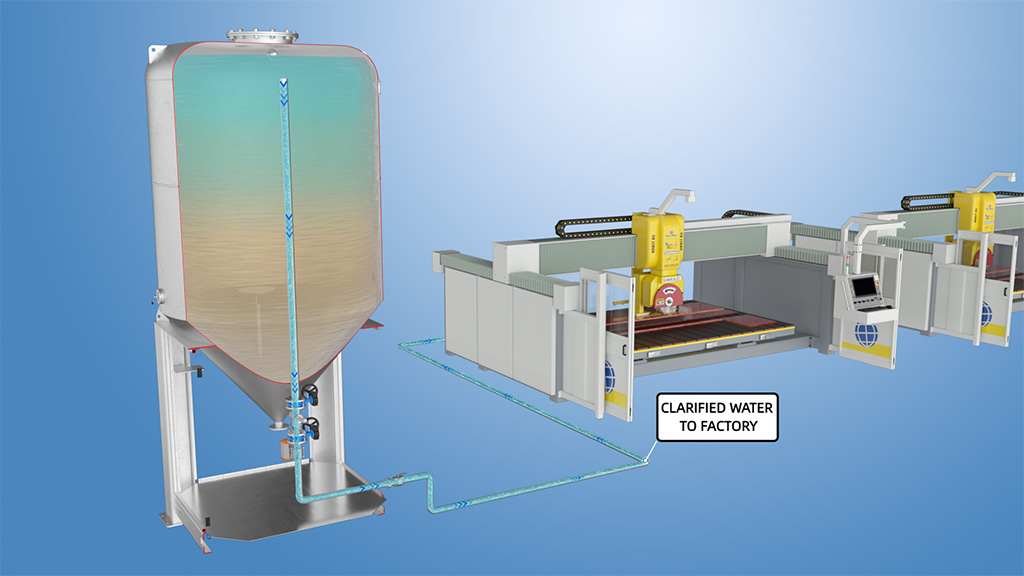
Water treatment plant: отстойник возвращает чистую воду на станки водной резки

Осветлённая вода поступает в цех

Water treatment plant: конический бункер с абразивом, насос и линия воды в бассейн
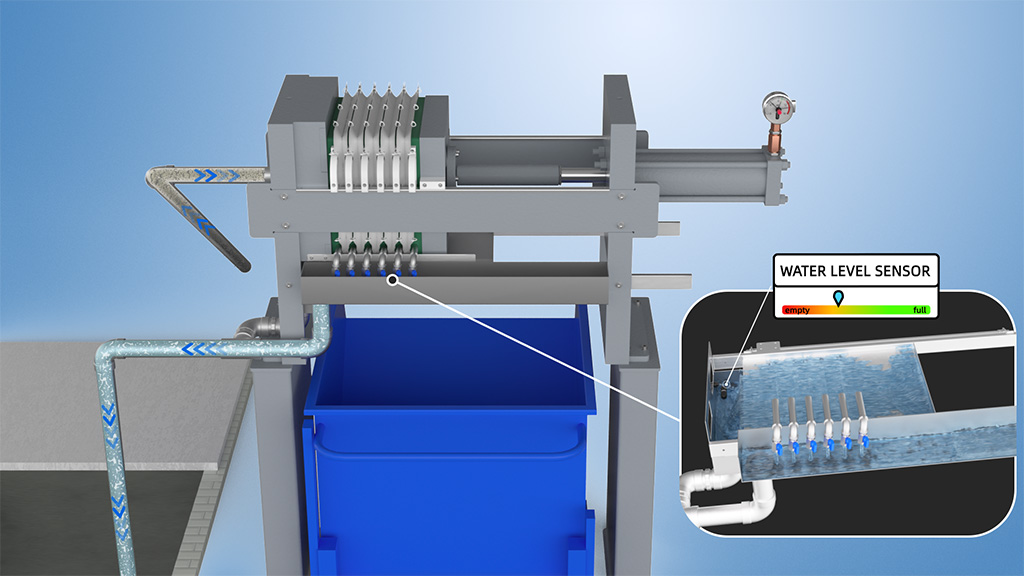
Water treatment plant: датчик уровня воды на станке для резки камня с синей ванной
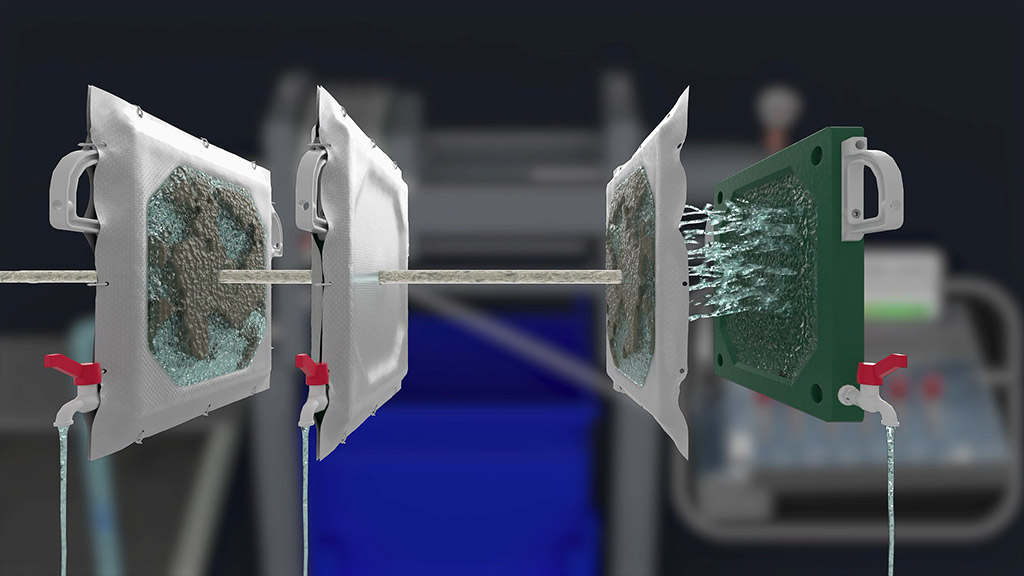
Water treatment plant: форсунки waterjet выпускают струи высокого давления сквозь панели

Фильтрующая сетка установки очистки воды
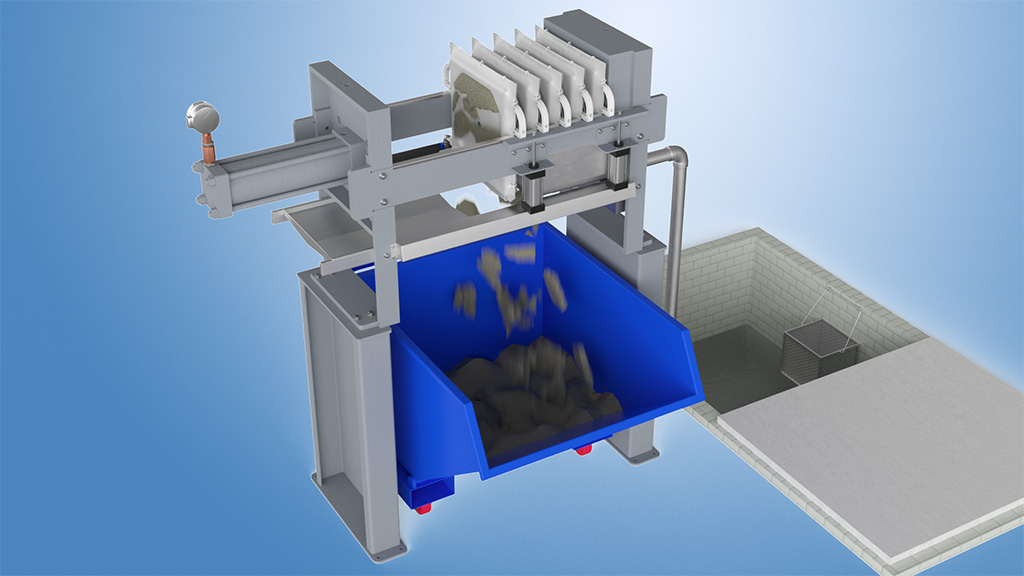
Water treatment plant: синий откидной бункер высыпает камень на грохочущую площадку

Сбор шлама

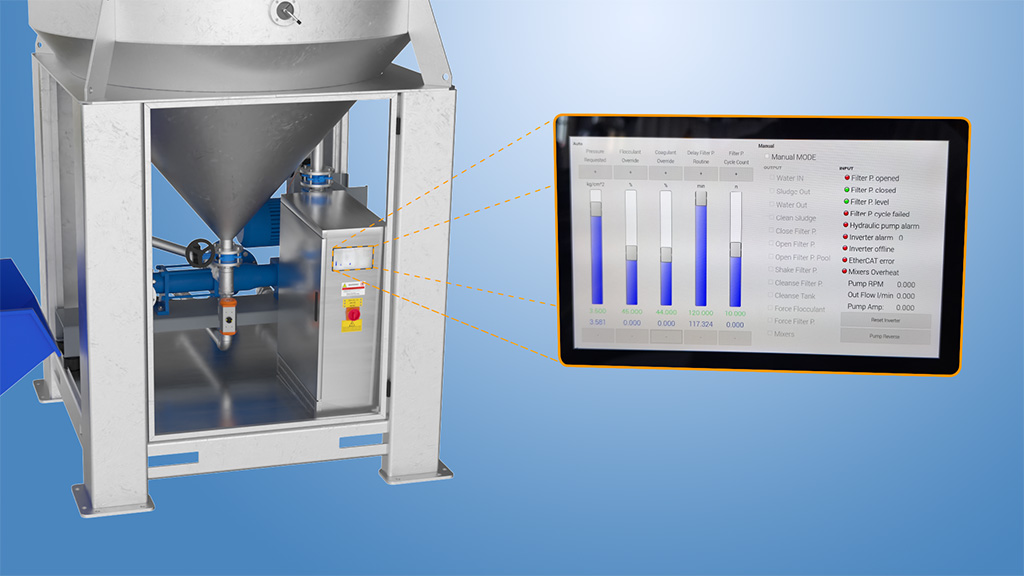
Water treatment plant с коническим бункером, насосом и сенсорной панелью HMI в ручном режиме

ЧПУ установки рециркуляции воды

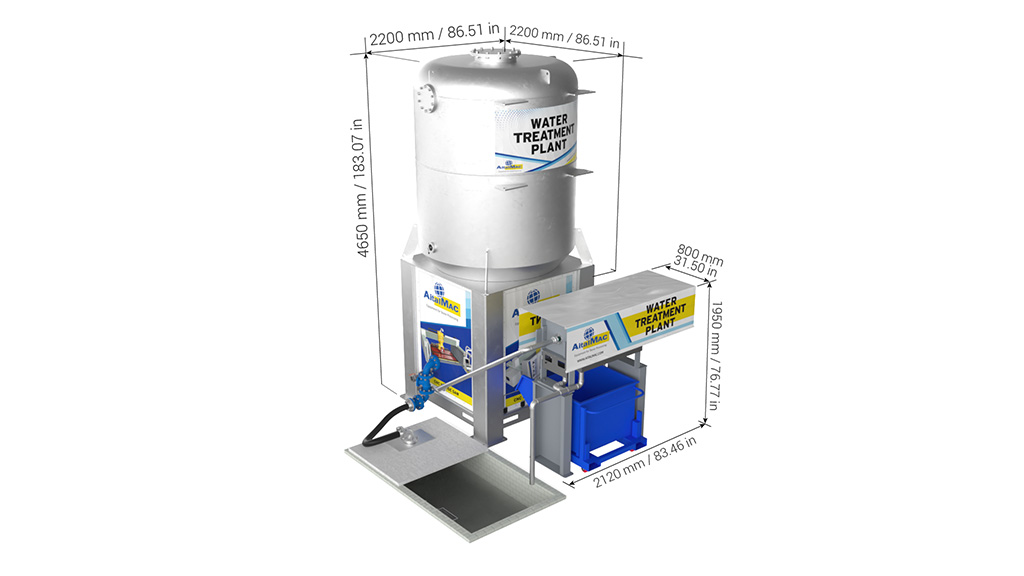
Water treatment plant габариты: ширина 2200 мм, высота 4650 мм, глубина 800 мм

Габариты установки очистки и рециркуляции воды

Calculator


Basic information
1. Approximate amount of water needed by the company per minute
*This value is acquired by observing the monitor of the system while the machine is running and the plant is in operation. It is an average value, more or less 100 liters, which is not a problem. It's important to know that the machine can clarify a maximum of 400 liters per minute.
2. Capacity of the coagulant pump
*The pump for injecting coagulant or flocculant has a maximum capacity of 50 ml per minute.

Test mixture for coagulant or floculant
3. Amount of water
*To make the test mixture, how much ml water did you use?
4. Amount of chemical
*For the test mixture, how many grams of chemical (coagulant or flocculant) did you add to the water?

Test on dirty water:
5. Amount of dirty water
*After preparing the mixture, you tested it in a certain amount of dirty water to see how much of this mixture is needed for coagulation or flocculation. You used a graduated syringe to add the chemical to the dirty water, and slowly added one milliliter or less until you observed that it was working effectively. The coagulant should be added first; its task is to attract the dirt particles, but even when united, the particles remain light. That's why you add the flocculant, which makes them heavier and causes them to settle. There are different types of flocculants, some that cause settling and some that bring particles to the surface, so testing is required to determine the optimal amount needed. For your purpose, you need one that causes settling of the dirt.
6. Amount of chemical in dirty water
*How many milliliters of chemical did you add to the dirty water before seeing the reaction?

Result
Amount of mixture